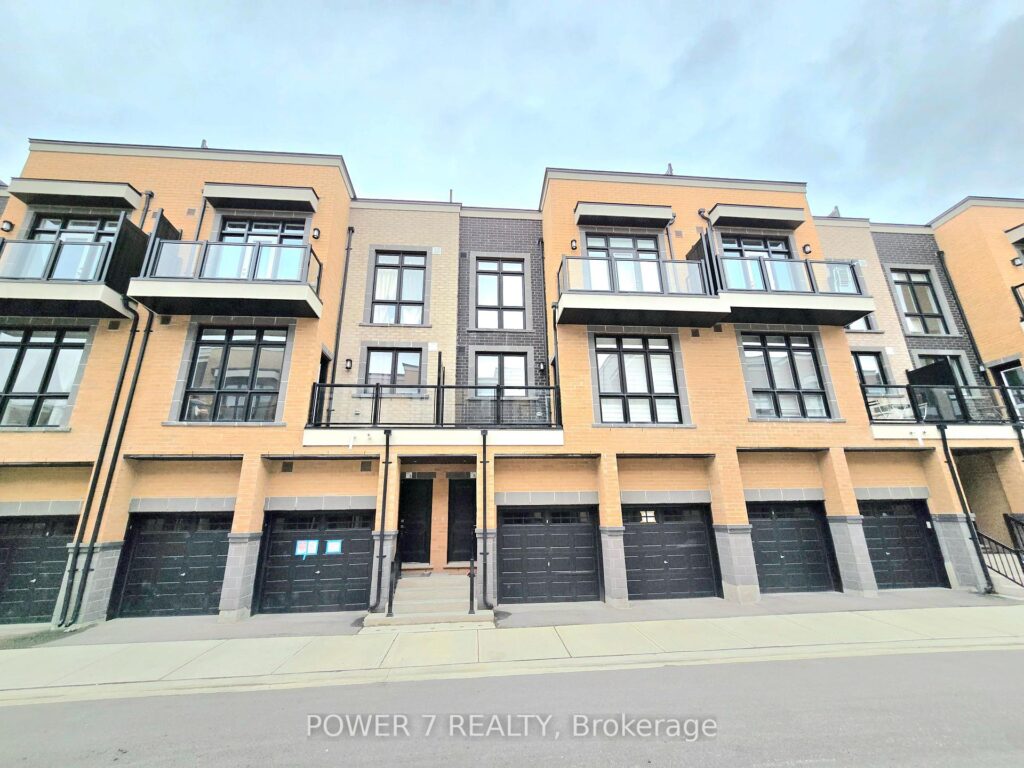
In today’s rapidly evolving real estate market, the concept of affordable housing has become more important than ever. Whether you’re a college student, a young professional, a growing family, or someone seeking a fresh start, the search for cheap housing near you can feel overwhelming. Rising rents, increasing demand, and shrinking availability can complicate the process. However, understanding what to look for and how to navigate the housing market effectively can help you find a suitable place that won’t stretch your finances too thin.
Understanding What Cheap Housing Really Means
The term “cheap housing” is often misunderstood. It doesn’t necessarily mean rundown or low quality. Rather, it refers to housing that fits within your budget while still providing a safe and livable environment. What qualifies as affordable will differ depending on your location, income, and personal needs. For example, an apartment considered affordable in a major city like Los angeles or New york might be deemed expensive in a smaller town.
Affordable housing can include a variety of living situations. These may range from studio apartments and shared housing to government-subsidized units or rent-controlled apartments. In many cases, it also includes low-income housing options designed to assist individuals and families facing financial hardship.
Why Locality Matters When Searching for Affordable Housing
When you search for “cheap housing near me, ” you’re not just looking for a low price—you’re looking for value. The neighborhood you choose will significantly affect your quality of life. Proximity to public transportation, schools, healthcare, groceries, and job opportunities all influence how suitable a place truly is. Often, areas just outside of major urban centers offer more affordable options without compromising too much on convenience.
It’s important to spend time exploring various neighborhoods within your city or town. Visit them at different times of the day to assess safety, noise levels, and general atmosphere. You may be surprised at what hidden gems you find just a few miles from your preferred location.
Tips for Finding Cheap Housing Near you
Begin your search by determining a realistic budget. Financial experts often recommend that rent or housing costs not exceed 30% of your monthly income. Use this figure as a baseline to narrow down your options. Search online listings, but don’t rely solely on the internet. Some of the most affordable places are found through word-of-mouth, community boards, or local housing agencies.
Consider alternative housing types that might be more affordable. For example, basement apartments, in-law suites, or renting a room in a shared home can drastically reduce costs. If you’re open to co-living, there are often opportunities to share expenses while still enjoying privacy and personal space.
Contact local housing authorities or non-profit housing organizations. These groups often have resources and listings that aren’t widely advertised. They may also assist with applications for government-subsidized housing or programs that offer rent assistance. Staying informed about these options can open doors you didn’t know existed.
Leveraging Technology and Apps in your Search
In today’s digital world, several tools can help you streamline your search. Housing apps and websites allow you to filter listings by price, amenities, location, and more. Many even offer alerts when new listings that match your criteria are posted. Some apps are tailored specifically to low-income housing, providing valuable insight into availability and waitlist status.
Keep in mind that while technology is useful, it’s not foolproof. Always verify listings and be cautious of scams. Never send money without seeing a place in person or having a legally binding lease agreement. The goal is to find a legitimate, affordable home that you can feel confident in.
Balancing Affordability With Quality
Cheap doesn’t have to mean compromising your health or safety. It’s crucial to inspect properties thoroughly before committing. Look for signs of structural issues, mold, pest problems, and other red flags. If a deal seems too good to be true, it might be. Trust your instincts, and don’t be afraid to walk away if something doesn’t feel right.
You should also review the lease terms carefully. Understand what’s included in the rent—utilities, maintenance, parking—and what you’ll be responsible for. Sometimes a slightly higher rent may actually save you money in the long run if it covers several additional expenses.
Government and Non-Profit Assistance Options
For many individuals and families, government programs can be a lifeline. Programs such as Section 8 housing vouchers or public housing options are specifically designed to make housing more affordable. Non-profit organizations may offer temporary housing, rent subsidies, or emergency assistance. These programs usually have income requirements, waiting lists, and application procedures, so it’s best to start early and stay persistent.
Local housing advocacy groups often host workshops and provide one-on-one assistance. They can help you understand your rights as a tenant, how to apply for programs, and how to advocate for yourself during the housing search. These services are especially valuable for first-time renters or those facing sudden displacement.
Exploring Long-Term Affordable Living Strategies
While finding affordable housing is a short-term goal, it’s wise to think long-term as well.down payment assistance program Ontario Consider your current financial situation and where you’d like to be in the next few years. Are you planning to stay in the same city? Will your income increase? Are you looking to eventually buy a home?
Thinking ahead can help you choose a location and type of housing that aligns with your future goals. Some renters transition to homeownership through rent-to-own agreements or by saving through housing programs that reward consistent payments. Others may relocate to more affordable regions where their money goes further.
The Emotional Side of Housing Decisions
Searching for a home isn’t just a financial decision—it’s an emotional one. Your home is your safe space, a place to rest and recharge. Living in a stressful environment, whether due to financial strain or an unsafe neighborhood, can affect your well-being. That’s why it’s important to find a balance between cost and comfort.
During the search, you might experience disappointment, especially if the market is competitive. Stay patient. With persistence and a clear understanding of your needs, you will find a place that fits your budget and lifestyle.
Conclusion: Affordable Housing Is Achievable
Finding cheap housing near you requires effort, research, and sometimes compromise. But with the right approach, it’s entirely possible to secure a safe, comfortable, and budget-friendly home. Start by defining your priorities, setting a budget, exploring multiple sources, and being open to unconventional options. Use the resources available in your community and online, and don’t be afraid to seek help when needed.
Affordable housing is not just a dream—it’s a reality waiting to be uncovered. With determination and the right strategy, you can find a place that feels like home without breaking the bank.