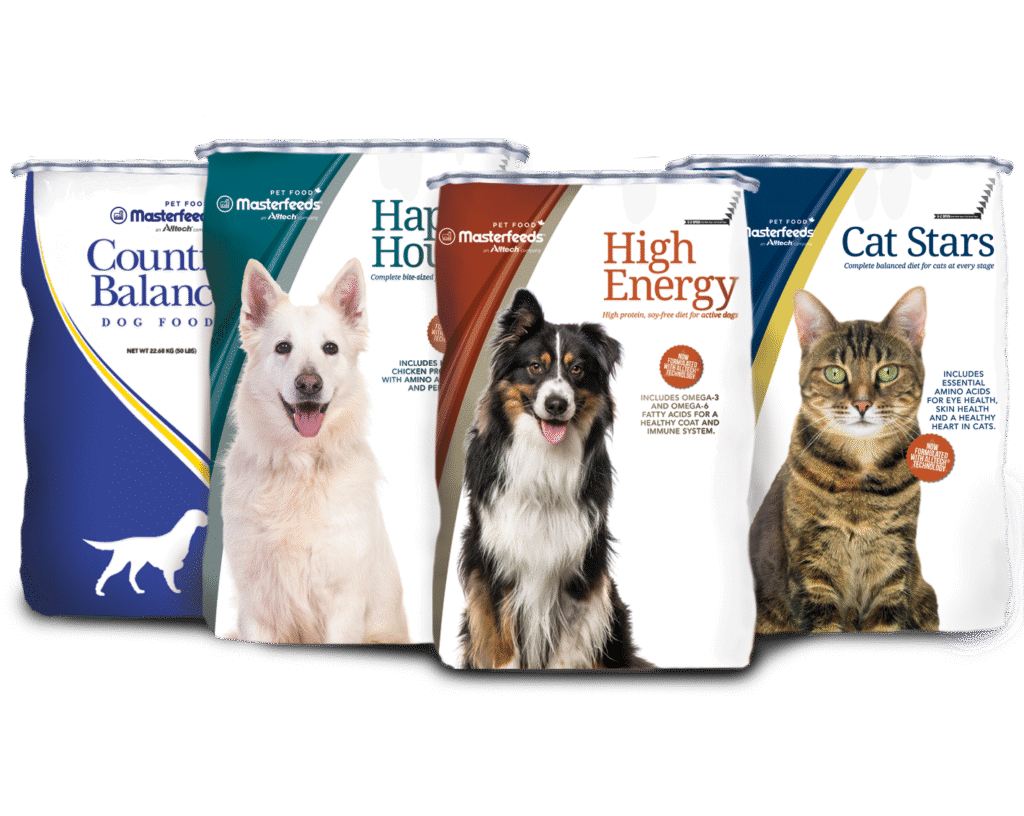
Cats are beloved companions in millions of households worldwide, and providing them with the best nutrition is one of the most important responsibilities of pet ownership 貓糧推介. The quality of a cat’s diet directly affects its energy levels, coat shine, immune system, and overall health. With the growing demand for specialized pet products, the cat food pet food industry has expanded significantly, offering a wide range of optionas tailored to every feline’s unique needs. Choosing the right formula can feel overwhelming, but understanding what goes into your cat’s bowl makes the decision much easier.
The importance of Proper Nutrition for Cats
Unlike some animals that can thrive on a variety of foods, cats are obligate carnivores. This means they rely on a diet rich in animal protein to survive and flourish. Cat food pet food should always have meat or fish as a primary ingredient because protein provides essential amino acids like taurine, which is crucial for heart function, vision, and overall vitality. Carbohydrates can provide energy, but they should be balanced, as cats’ bodies are not designed to handle excessive amounts.
A well-balanced diet also includes fats for healthy skin and a shiny coat, vitamins for immune support, and minerals for bone and joint health. High-quality cat food pet food ensures these elements are present in the right proportions. Poor-quality options with fillers and artificial additives can lead to long-term health issues, including obesity, diabetes, or digestive problems.
Types of Cat Food Pet Food Available
The market offers a wide range of cat food pet food varieties, each with its own benefits.
**Dry Food (Kibble): ** Convenient, cost-effective, and long-lasting, dry food is one of the most popular choices. It helps maintain dental health by reducing tartar buildup. However, cats on dry food diets must have access to plenty of fresh water, as kibble contains little moisture.
**Wet Food (Canned): ** This option is closer to a cat’s natural diet, with high moisture content that helps prevent urinary tract issues. Wet food often appeals to picky eaters because of its texture and aroma. While slightly more expensive, it provides hydration along with essential nutrients.
**Semi-Moist Food: ** Though less common, semi-moist cat food pet food combines elements of both kibble and canned food. It can be tasty but often contains artificial colors, preservatives, and higher sugar content, so it should be offered sparingly.
**Raw or Freeze-Dried Food: ** Many pet owners are turning to raw diets, which mimic what cats would eat in the wild. These diets typically consist of raw meat, bones, and organs. Freeze-dried versions are more convenient and safe, as they reduce the risk of bacteria while keeping the nutrients intact. However, such diets should be carefully balanced to prevent deficiencies.
Key Ingredients to look for in Cat Food Pet Food
When selecting the best option for your cat, checking the ingredient list is crucial. Look for high-quality animal proteins such as chicken, turkey, fish, or beef at the top of the list. Avoid products that use vague labels like “meat by-products” or fillers such as corn and wheat, which provide little nutritional value.
Healthy fats such as omega-3 and omega-6 fatty acids are essential for skin and coat health. Vitamins A, D, and E, along with minerals like calcium, magnesium, and phosphorus, should also be present. Cat food pet food with natural preservatives like vitamin e (often listed as mixed tocopherols) is preferable over chemical additives.
Special Diets for Cats with Unique Needs
Not all cats thrive on the same diet. Age, activity level, and health conditions influence what type of cat food pet food is most suitable.
Kittens require nutrient-rich food that supports growth and development. Adult cats benefit from balanced diets that maintain their energy without causing weight gain. Senior cats often need easily digestible food with joint-supporting ingredients like glucosamine and chondroitin.
Some cats suffer from food sensitivities or allergies, which can manifest as skin irritations or digestive upset. Hypoallergenic formulas made with limited ingredients or novel proteins such as duck or venison may help. Additionally, veterinary-prescribed cat food pet food exists for cats with conditions such as kidney disease, urinary tract problems, or diabetes.
The Role of Hydration in Feline Health
Cats naturally have a low thirst drive, which means they may not drink enough water on their own. Feeding wet cat food pet food helps maintain hydration, reducing the risk of kidney and urinary tract issues. Even if your cat primarily eats dry food, consider offering fresh water in multiple locations or using a cat fountain to encourage drinking. Hydration is just as important as nutrition in ensuring long-term feline health.
Understanding Labels and Certifications
Pet food labels can be confusing, but they contain valuable information about quality. Look for packaging that mentions the food is “complete and balanced, ” which means it meets the nutritional standards set by organizations such as the Association of American Feed Control Officials (AAFCO). Certified labels give you confidence that the cat food pet food provides the necessary nutrients in the right amounts.
Homemade Cat Food Pet Food Considerations
Some pet owners prefer to prepare meals at home to ensure complete control over ingredients. While this approach can work, it requires careful planning and veterinary guidance. Cats need precise levels of nutrients, and missing essential elements like taurine or calcium can lead to severe health issues. For most owners, high-quality commercial cat food pet food offers a safer and more convenient option.
Balancing Treats with Daily Diet
Treats are a wonderful way to bond with your cat, but they should not replace complete meals. Overfeeding treats can lead to weight gain and nutritional imbalance. Ideally, treats should make up no more than ten percent of a cat’s daily caloric intake. Choose natural, protein-rich treats rather than sugary or heavily processed options.
The future of Cat Food Pet Food
As pet owners grow more conscious about sustainability and animal welfare, the pet food industry is evolving. Alternatives such as insect protein, plant-based ingredients, and eco-friendly packaging are becoming more common. Technology is also influencing the industry, with personalized cat food pet food subscriptions that tailor meals to each cat’s age, breed, and health requirements. The future promises even more innovative, healthy, and environmentally responsible choices for cat owners.
Final thoughts
Selecting the right cat food pet food is one of the most meaningful decisions you can make for your feline friend. A healthy diet not only supports physical health but also enhances mood, activity, and longevity. Whether you choose dry, wet, raw, or specialized formulas, always prioritize high-quality ingredients, hydration, and the unique needs of your cat. By investing in proper nutrition today, you ensure your beloved companion enjoys a vibrant and happy life for years to come.