When selecting materials for plumbing systems, they often weigh the options between ABS pipe and PVC pipe. Both types are common in North American construction, but each offers distinct characteristics suited for different applications. LESSO America provides quality ABS pipes designed to meet the needs of various plumbing projects.
Material Differences and Applications
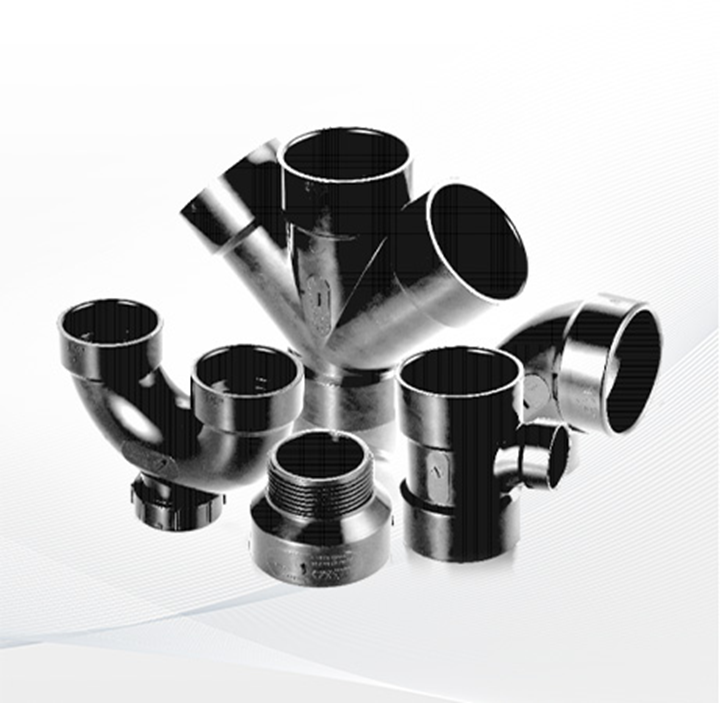
ABS pipe is made from Acrylonitrile Butadiene Styrene, a black thermoplastic known for impact resistance and durability. It is commonly used in drain, waste, and vent systems. PVC pipe, or polyvinyl chloride, is usually white or cream-colored and is widely used for both water supply and drainage.
They note that ABS pipe tends to perform better in colder temperatures as it is less prone to cracking in freezing conditions. On the other hand, PVC pipe can become brittle if exposed to very low temperatures without proper insulation.
Installation and Cost Considerations
ABS pipe is lightweight and easier to install, often requiring fewer fittings, which can reduce labor time. Its smooth interior surface promotes efficient flow in drainage systems. PVC pipe is also lightweight but generally requires solvent welding that may need careful application to ensure tight seals.
From a cost perspective, ABS pipe and PVC pipe are comparably priced, but project specifics such as installation complexity and environmental conditions may influence the final choice.
Durability and Chemical Resistance
Both ABS and PVC pipes offer good chemical resistance, but ABS pipe tends to be more resistant to physical impacts. This makes it a preferred choice in applications where pipes might be exposed to stress or movement.
Conclusion
They choose between ABS pipe and PVC pipe based on factors like climate, installation preferences, and system requirements. LESSO America‘s ABS pipes provide a reliable option, especially for drain and vent systems in regions with varying temperatures. Understanding these differences helps ensure the right pipe material supports plumbing needs effectively.